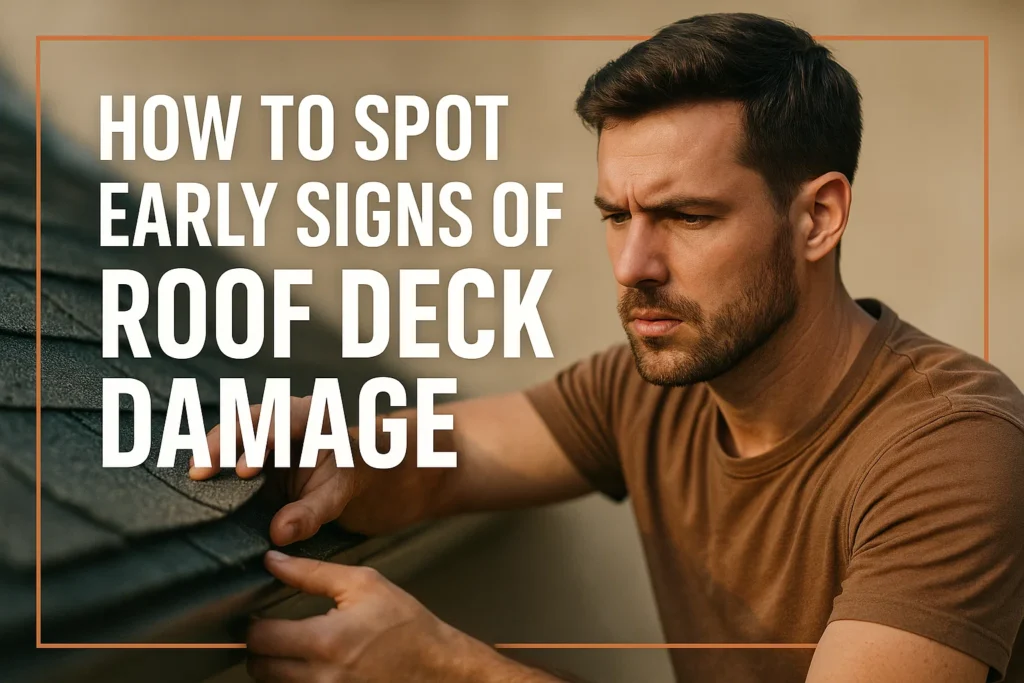
Severe storms may do a lot of damage to your roof resulting in leaks, structural problems and expensive repairs unless they are checked. It is important to know how to do your roof inspection because it allows you to identify troubles early and preserve your house.
Why Post-Storm Roof Inspections Matter
Your roof must be taken care of immediately after any major storm. Even small amount of damage may soon turn into big problems.
Common Storm Damage Types
Storms destroy roofs in a number of ways. Strong winds cause shingles and flashing to be blown off. Hail also leaves holes and bruises which weaken the shingles. Heavy rain is exploitative as it puts water under materials by forcing it through weak areas. Dropping trees pierce or tear roofing.
Don’t Wait! The Risks Are Real
Water damage, mold growth, rotted decking and insurance claim denials are the results of delayed inspections. Majority of the policies demand reporting of damages within few days of identification.
Call Professionals When You See These Signs
- Active leaks in your house.
- Much of missing shingling.
- Hanging or drooping rooflines.
- Visible structural damage
- Roof boards with daylight shining in attic.
Safety First: What You Need to Know
Never risk your safety. In case of hazardous circumstances, wait or hire a professional.
Essential Safety Gear
Ground inspection: binoculars, zoom camera and heavy shoes. To access the roof: rubber soled shoes, safety harness, proper ladder and a spotter. To check the attics: flashlight and gloves.
Check Conditions Before Inspecting
Wait till it is perfectly clear. Keep out of the way of wet ground, hot weather and wind. Do not inspect when there is a storm or immediately after a storm.
When to Skip DIY Inspection
Do not climb on sloping roofs, multi-story houses and roofs that have visible damages. Whenever you are unstable on your legs or afraid of heights, then employ professionals.
How to Inspect Your Roof: Simple Steps

Step 1: Walk Around Your Property
Use binoculars to scan the entire roof from the ground. Look for:
- Missing or damaged shingles
- Bent or lifted flashing
- Sagging areas
- Waste in your yard ( chunks of shingles, granules)
Step 2: Check Key Roof Components
Focus on vulnerable areas:
- Shingles: Check on the cracks, curls, fragments, or hail dents.
- Flashing: Look around chimneys, vents and skylights to see if they are bent or have holes.
- Gutters: Check the gutter to find out whether there are dents, clogs, or gaps between the gutter and the house.
- Vents and chimneys: Check vents and chimneys, looking at cracks, loose parts, or broken seals.
Step 3: Inspect Inside Your Home
Check your attic and ceilings for:
- Water stains (brown or yellow marks)
- Damp spots or active leaks
- Mold or musty odors
- Wet or compressed insulation
- Daylight through roof boards
Document Everything for Insurance
Held sharp photos in several angles. Add close- up and wide shots. Record places, dates and descriptions of damage. Get in touch with your insurance company within the stipulated period of time- 24-72 hours.
Get contractor estimates that are licensed. Their claims enhance insurance claims with their professional reports.
Temporary Protection While Waiting for Repairs
In case of an emergency, seal damaged space with high quality tarps. Do not use new holes but use proper tie downs. Only use roofing cement on small gaps when it is safe to do so.
Do not do it yourself, and risk losing warranties or making things worse. Get pro repairs scheduled–do not wait.
Prevent Future Storm Damage
Regular maintenance protects your roof:
- Schedule annual professional inspections
- Trim trees away from your roof
- Clean gutters quarterly
- Replace damaged shingles promptly
- Consider impact-resistant roofing materials for your climate
- Install proper ventilation to prevent moisture buildup
Protect Your Home Investment
Inspections of your roof after the storm are crucial in ensuring the integrity of the roof. You can mount the ladder and do it yourself or get a professional to do it, but do it before it develops into an expensive disaster.
Establish networks with the reputable roofing contractors in advance of the occurrence of an event. Record inspection documentation and maintenance records. Your active nature will see your home is safe in any type of weather.
Conclusion
Looking at your roof is not just a measure to follow up, but a very important step to save your house, your lives and your pocket. By responding promptly, you can identify the damage that is not visible before it becomes an expensive costly repair, or structural problem or even rejected insurance claims. Either you do a careful ground check or bring certified professionals to conduct an in-depth check, the point is to move quickly, capture the documentation and solve the issue on time. Through proper roof maintenance, timely checkups and a reliable roofing specialist on your behalf, you will be able to maintain a safe and strong home against all the challenges the weather may present to you.
Frequently Asked Questions
Within 24-48 hours after conditions are safe, both for timely damage discovery and valid insurance claims.
Ground-level inspections are safe for homeowners, but hire professionals for roof access, steep pitches, or significant damage.
Water stains on ceilings, musty attic odors, mold growth, wet insulation, and shingle granules in gutters.
Most policies cover sudden storm damage from wind and hail, but check your specific policy and report damage promptly.
Don’t delay damage worsens quickly and insurance policies require prompt reporting within days of discovery.
Secure tarps over damaged areas and place buckets under leaks, but schedule professional repairs immediately.
Typically $150-$400 depending on location and roof size, though many companies offer free storm damage assessments.